

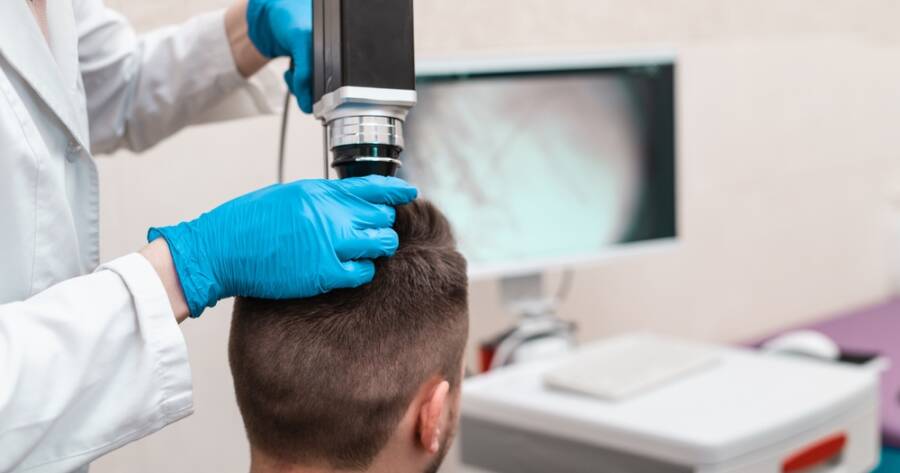
Hair transplantation offers a range of options for individuals experiencing hair loss, including both surgical and non-surgical approaches tailored to different needs. Advances in techniques such as Follicular Unit Extraction (FUE) and NeoGraft® have improved precision, reduced visible scarring, and supported natural-looking outcomes. An overview of causes, treatment methods, and recovery considerations helps support informed decisions about hair restoration.
Understanding Hair Transplantation
Hair transplantation is a surgical procedure designed to address hair loss by moving hair from a donor site to areas experiencing thinning or baldness. This technique is applicable to both men and women, with various methods available to suit individual needs.
One of the most popular techniques is Follicular Unit Extraction (FUE), which involves isolating and transplanting individual hair follicles without leaving a large linear scar. This method is particularly beneficial for those who prefer to wear their hair short, as it avoids the visible scarring associated with older techniques.
Causes and Patterns of Hair Loss
Hair loss affects both genders differently. In men, androgenetic alopecia, medical conditions, medications, stress, and nutritional deficiencies are common causes. Women, on the other hand, often experience hair loss due to hormonal changes such as perimenopause and post-pregnancy, as well as medical conditions, medications, and certain hairstyles. Understanding these underlying causes is crucial for effective treatment, as it allows for a more targeted approach to hair restoration.
Advanced Hair Transplant Techniques
Modern hair transplant techniques have evolved significantly, offering more natural-looking results and less invasive procedures. The NeoGraft® technique, for instance, uses FUE to restore hair density and fill bald spots without the need for a large incision.
This method is suitable for both men and women and can even correct previous hair transplants that used outdated “plug” techniques. Additionally, specialized procedures such as facial hair transplants, eyebrow transplants, and body-to-scalp hair transplants are available for those seeking more comprehensive solutions.
Non-Surgical Hair Restoration Options
For individuals seeking non-invasive solutions, there are several non-surgical hair restoration options available. These include Scalp Micropigmentation (SMP), Platelet-Rich Plasma (PRP) Therapy, Low-Level Laser Therapy, PDO Thread Lift, and Microneedling.
These treatments offer alternatives for those who may not be candidates for surgery or prefer less invasive methods. Each of these options has its own set of benefits and can be tailored to meet the specific needs of the patient.
Who Is a Good Candidate for Hair Transplantation
Hair transplantation is not a one-size-fits-all solution, and candidacy depends on several individual factors. Ideal candidates typically have sufficient donor hair density in areas not affected by hair loss, along with relatively stable hair loss patterns. Age, overall health, and the underlying cause of hair loss also influence suitability, as progressive conditions may require long-term planning rather than a single procedure.
Individuals experiencing temporary hair loss due to stress, illness, or hormonal changes may benefit more from non-surgical treatments before considering transplantation. A realistic understanding of achievable density and coverage is essential, as hair transplantation redistributes existing hair rather than creating new follicles. Careful evaluation helps align expectations with likely outcomes and supports more satisfactory results.
Potential Risks and Considerations
As with any medical procedure, hair transplantation involves certain risks and considerations. Short-term effects may include swelling, redness, scabbing, or temporary discomfort in both donor and recipient areas. Some individuals experience “shock loss,” where existing hair sheds temporarily before regrowth occurs. In most cases, this resolves over time as new hair begins to grow.
Results can also vary based on healing response, hair characteristics, and adherence to post-procedure care guidelines. In some situations, additional procedures may be required to achieve desired density or address ongoing hair loss in untreated areas. Understanding these possibilities allows individuals to weigh benefits against limitations and make informed decisions about treatment options.
Recovery and Results
Recovery from hair transplant procedures varies depending on the technique used. For instance, the NeoGraft® procedure allows patients to return home the same day, with new hair growth beginning around three months post-procedure and full results visible at six to nine months.
Similarly, FUE allows for a quicker resumption of daily activities, with results appearing gradually over nine months to a year. The results of hair restoration are generally permanent, as donor follicles are taken from areas not prone to balding.
Why You Should Learn More About Hair Transplant Today
Hair transplantation offers a viable solution for those experiencing hair loss, providing both surgical and non-surgical options to suit diverse needs. With advanced techniques like FUE and NeoGraft®, patients can achieve natural-looking results with minimal discomfort and downtime. Understanding the causes of hair loss and the available treatment options is essential for making informed decisions about hair restoration. Whether seeking to restore confidence or address specific hair loss concerns, exploring the latest advancements in hair transplant technology can lead to a more satisfying and effective outcome.